Best used cars under £10,000 in the UK (2026)under £10,000
Seven opinionated picks across every body type — with honest used-market prices, real reliability records, and no fluff
Finding the best used cars under £10,000 is harder than it looks. The UK used market is flooded with options, and at this price point, the difference between a shrewd buy and an expensive mistake is often one failed MOT or a service history with suspicious gaps. This guide cuts through the noise with seven specific, opinionated picks — cars that genuinely deliver on reliability, running costs, and everyday usability for the money. We've covered hatchbacks, small family cars, a practical city car, a compact SUV, and a supermini, because the best used car under £10,000 depends entirely on what you need it to do.
Prices quoted are realistic used-market ranges as of mid-2026, based on what you should actually expect to pay for a well-kept example — not the cheapest barnfind on the internet or a pristine low-mileage outlier.
What to look for when buying a used car under £10,000
Before we get to the picks, a few principles apply. At this budget, service history matters more than cosmetics. A car with a full stamped history and a clean MOT is worth more than one with fresh paint and no paperwork. Check the MOT history at gov.uk — it is free and will show you every pass, fail, and advisory going back years.
Mileage should be read in context. A 2016 Skoda Octavia with 85,000 miles and a full dealer service history is often a safer buy than a 2018 equivalent with 45,000 miles, two private owners, and no stamps. Diesel engines in this bracket need particular scrutiny: short-journey use clogs diesel particulate filters (DPFs), which are expensive to replace. If the seller cannot confirm the car was regularly used on motorway runs, the petrol alternative is usually the wiser choice.
Finally, factor in insurance. Some cars in this price range carry high insurance groups, which can add hundreds of pounds a year to running costs. We have noted insurance considerations throughout where relevant.
The best used cars under £10,000: our seven picks
These seven cars represent the best of what the UK used market has to offer at this price point. Each has been chosen for a specific reason — not just because it's popular, but because it genuinely delivers where rivals fall short. We've included realistic price ranges based on mid-2026 used market conditions, the engine variants worth seeking out, and the specific issues to check on any example you view.
Best used cars under £10,000
Opinionated picks ranked by value, reliability, and real-world usability across different body types and use cases.

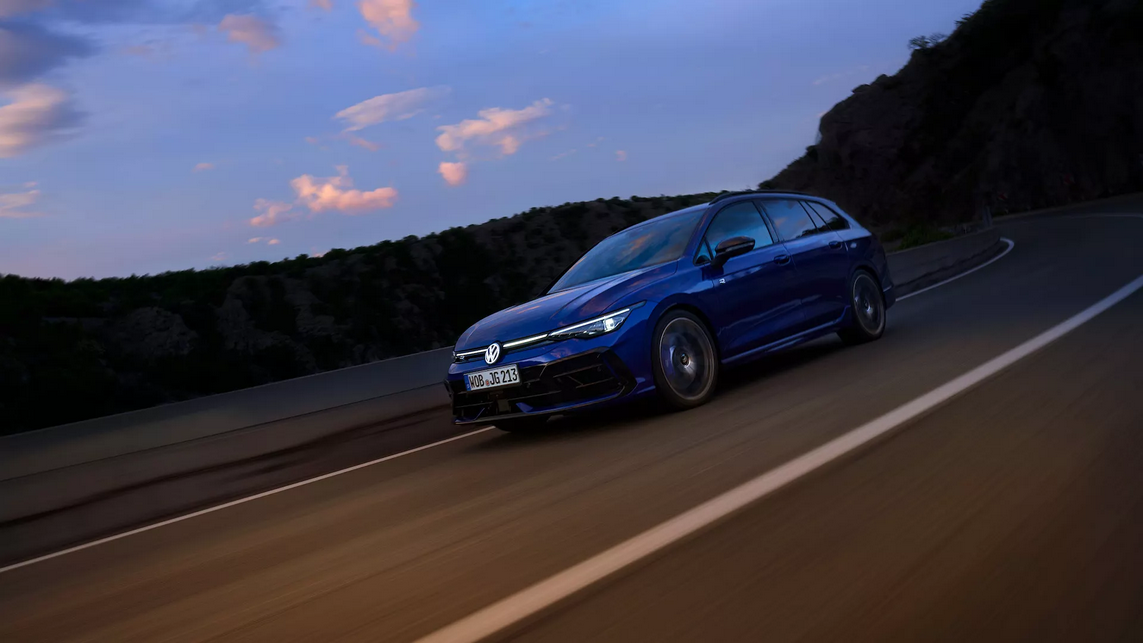
Volkswagen Golf
Mk7 SE / Match
Ford Focus
Mk3 Zetec / Titanium
Skoda Octavia
Mk3 SE / SE L
Toyota Yaris
Mk3 Icon / Icon Tech
Honda Jazz
Mk3 SE / EX
Hyundai i20
Mk2 SE Nav / Premium
Nissan Qashqai
Mk2 Acenta / N-Connecta
Volkswagen Golf Mk7 in depth: why it earns its premium
The Golf Mk7 is the default answer to 'what should I buy?' and, unlike many defaults, it's earned that status. The cabin quality is a genuine step above rivals from the same era — materials feel solid, the dashboard design has aged well, and road noise suppression is noticeably better than on the Ford Focus or Hyundai i20. For drivers who spend significant time on motorways, this refinement matters.
The 1.4 TSI petrol in 125PS form is the engine to choose. It's punchy enough for confident overtaking, returns around 40–45mpg in real-world mixed driving, and has a stronger long-term reliability record than the smaller 1.2 TSI three-cylinder, which suffered timing chain stretch on early examples. The 1.6 TDI diesel is competent but uninspiring; unless you're covering serious mileage, the petrol makes more sense in this bracket.
One significant caveat: the DSG dual-clutch gearbox, fitted to many automatic Mk7 Golfs, can be jerky at low speed and is expensive to service if the mechatronic unit develops faults. If you want an automatic, budget carefully for servicing costs and check the DSG service record specifically. Manual gearboxes are more straightforward and cheaper to maintain.

Ford Focus Mk3 and Skoda Octavia Mk3: the value duo
The Ford Focus Mk3 and Skoda Octavia Mk3 are, in different ways, better value propositions than the Golf.
The Focus earns its place as the driver's car in this price bracket. The steering is accurate and communicative in a way that the Octavia and Golf simply aren't, the ride quality is well-judged, and the 1.0-litre EcoBoost three-cylinder engine is one of the genuine engineering success stories of the past decade — compact, efficient (40–45mpg in mixed driving), and with enough torque to make overtaking relaxed rather than frenetic. The estate version, which can be found from around £6,500 at the bottom of this budget, offers boot space that shames several MPVs.
Check rear suspension bushes on Focus Mk3 examples: a knocking noise at low speed from the rear is a common symptom on higher-mileage cars, and while replacement is not catastrophic (a competent independent garage will charge £150–£200), it's a useful negotiating point.
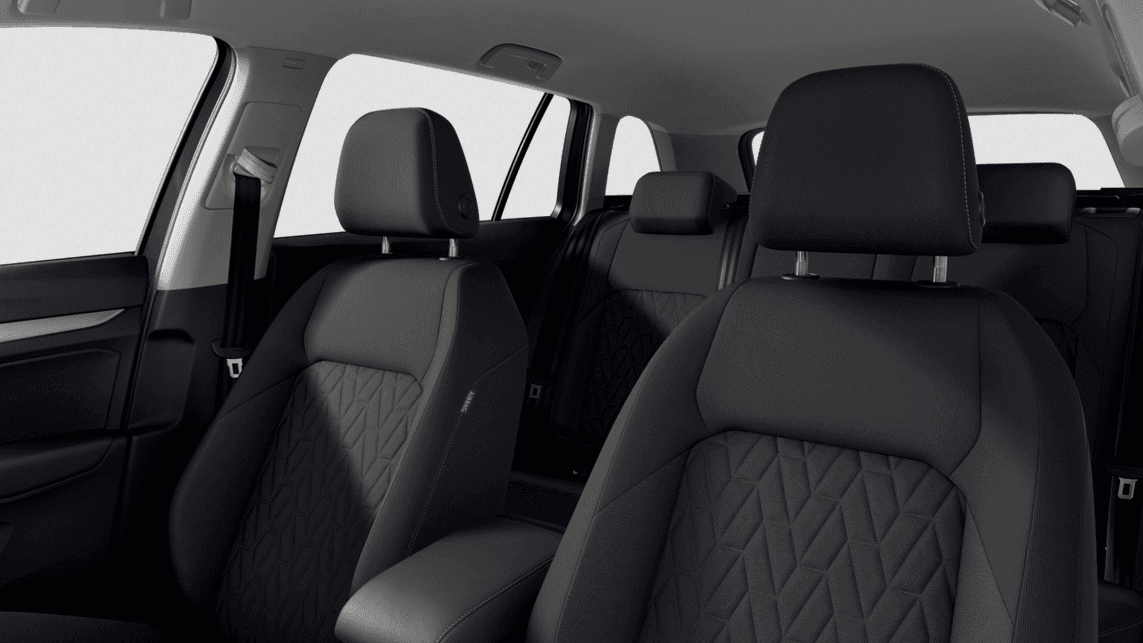
The Octavia Mk3 plays a different game entirely. It doesn't pretend to be exciting to drive, but it offers Golf-platform reliability with genuinely enormous practicality — 590 litres in the hatchback, 610 in the estate — at prices that regularly undercut the Golf by £1,500–£2,000 for comparable year and mileage. That gap is meaningful at this budget. SE L trim, available from 2016, includes leather seats, a larger touchscreen, and automatic climate control, and can still be found under £10,000 for cars with sensible mileage. If you are buying for practicality rather than driving feel, the Octavia is the rational choice.
For a direct comparison of both cars in detail, see our Ford Focus vs Skoda Octavia guide.

Toyota Yaris Hybrid: the smartest urban car in this bracket
The Toyota Yaris Mk3 Hybrid doesn't ask you to plug it in, charge it, or change your driving routine. It charges itself through regenerative braking and engine energy recovery, and in return it delivers real-world urban fuel economy that puts most petrol rivals to shame. Expect 55–65mpg around town, dropping to 45–50mpg on mixed routes. The hybrid system is proven across millions of Toyota vehicles globally and has an excellent long-term reliability record. Batteries on these cars have not proven to be the weakness some expected: genuine failures are rare, and replacement costs have fallen significantly.
The trade-off is that the hybrid system's efficiency advantage largely disappears at motorway speeds, where the petrol engine runs continuously. If your driving is predominantly dual-carriageway or motorway, a non-hybrid 1.0-litre petrol Yaris (or the Focus 1.0 EcoBoost) is a better fit. But for the majority of UK drivers whose daily mileage involves urban and suburban driving with occasional longer runs, the Yaris Hybrid is genuinely excellent value and among the lowest-stress used car purchases you can make under £10,000.
Honda Jazz Mk3 and Hyundai i20 Mk2: the undervalued picks
Both the Honda Jazz Mk3 and the Hyundai i20 Mk2 are systematically underappreciated, and that's good news for buyers on a budget.
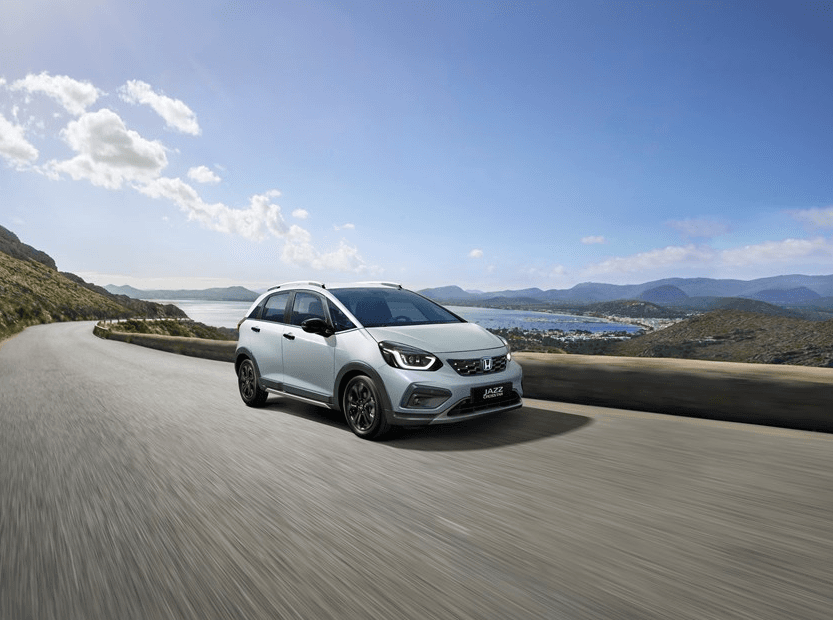
The Jazz's Magic Seats system is genuinely ingenious. The rear seat bases fold upward to create a tall loading space — useful for potted plants, a bicycle with the front wheel removed, or an awkward flat-pack wardrobe. The seat backs fold flat for conventional load-carrying. No rival at this price does this so neatly. The 1.3-litre petrol engine is not fast, but it's reliable, affordable to insure, and cheap to service. Honda's official service costs are competitive, and independent specialists familiar with Jazz models are plentiful. The car's one honest weakness is that the engine runs out of breath above motorway speeds — not dangerously, but noticeably. If you regularly cover long distances, the Octavia or Focus is a better fit.
The Hyundai i20 Mk2 makes its case on specification and space. At equivalent asking prices to a Ford Fiesta Mk7, the i20 offers more rear passenger room, better standard equipment (SE Nav trim includes sat-nav, climate control, and rear parking sensors as standard from around 2016), and the security of the five-year Hyundai warranty on post-2015 examples that haven't yet reached their warranty expiry date. The 1.4 CRDi diesel is a particular bright spot: frugal, reliable, and free from the widespread DPF issues that affect some rivals in this class. The honest downside is that the i20 is less engaging to drive than the Fiesta or Polo and carries lower residual values — which is precisely why it's good value to buy used.
For drivers weighing up their first used car, both the Jazz and i20 feature prominently in our best used cars for first-time buyers guide alongside smaller superminis better suited to new drivers.
Nissan Qashqai Mk2: the one SUV worth buying under £10,000
The compact crossover market is full of temptation at this price point, but many of the appealing options — Kia Sportage Mk3, Hyundai Tucson Mk2, SEAT Ateca — reliably push above £10,000 for anything worth buying. The Qashqai is different: its volume and age mean that well-specced, service-historied examples are genuinely available in budget.
The 1.5 dCi diesel is the pick for higher-mileage drivers, returning an honest 45–50mpg in mixed driving and pulling well throughout the rev range. The 1.6 DIG-T petrol suits lower-mileage urban and suburban use. Avoid 2014–2015 examples with the CVT petrol gearbox: there were reliability issues with the transmission that are expensive to resolve, and enough affected cars passed through the market to make early CVT examples a risk not worth taking. From 2017 onwards, the Qashqai received a significant update including improved infotainment, better smartphone integration, and a refreshed interior.
Insurance groups sit in the mid-20s for most Qashqai variants — notably higher than the hatchbacks on this list — so factor that into total running cost calculations, particularly if you're a younger driver or have a limited no-claims discount.

Best used cars under £10,000: which should you choose?
Here's the honest summary. If you want the best all-rounder with the strongest combination of refinement, reliability, and resale value, the Volkswagen Golf Mk7 is the safe choice — but you'll pay a premium relative to equally aged rivals. If you want the most space for the money, the Skoda Octavia Mk3 beats everything else on this list, full stop. For driving enjoyment at a lower price point, the Ford Focus Mk3 with the 1.0 EcoBoost is the pick.
City and suburban drivers after bulletproof running costs and minimal mechanical anxiety should go straight to the Toyota Yaris Hybrid. Buyers who need genuine interior flexibility without spending on a large car should look closely at the Honda Jazz Mk3. The Hyundai i20 Mk2 is the smart buy when your primary concern is maximising specification and space per pound spent. And if an SUV is non-negotiable, the Nissan Qashqai Mk2 is the only model in this class that reliably delivers value and availability at the £10,000 ceiling — just be selective about year and gearbox.
Before you start viewing, read our companion guide on the most reliable used cars in the UK for a deeper look at manufacturer reliability records and what to check on specific models.
Comparison
| Spec | Volkswagen Golf Mk7(2016) | Ford Focus Mk3(2015) | Skoda Octavia Mk3(2017) | Toyota Yaris Mk3 Hybrid(2017) | Honda Jazz Mk3(2017) | Hyundai i20 Mk2(2017) | Nissan Qashqai Mk2(2018) |
|---|---|---|---|---|---|---|---|
| Price | ££6,500–£10,000 | ££4,500–£9,000 | ££6,000–£10,000 | ££5,000–£9,500 | ££7,000–£10,000 | ££4,500–£8,500 | ££7,500–£10,000 |
| best for | Refinement and all-round quality | Driving engagement | Maximum practicality | Urban reliability and fuel economy | Interior flexibility | Value and standard equipment | SUV practicality under £10,000 |
| boot space | 380 litres | 316 litres (hatch) / 476 litres (estate) | 590L (hatch) / 610L (estate) | 286 litres | 354 litres | 326 litres | 430 litres |
| fuel economy | 40–45mpg mixed | 40–45mpg mixed | 55mpg+ (1.6 TDI) | 55–65mpg urban | ~45mpg mixed | 50–55mpg (1.4 diesel) | 40–45mpg mixed (petrol) |
| engine to choose | 1.4 TSI 125PS petrol | 1.0 EcoBoost 100–125PS | 1.4 TSI petrol or 1.6 TDI diesel | 1.5 Hybrid | 1.3 i-VTEC petrol | 1.2 petrol or 1.4 CRDi diesel | 1.6 DIG-T petrol or 1.5 dCi diesel |
| Pros |
|
|
|
|
|
|
|
| Cons |
|
|
|
|
|
|
|
What to avoid: cars we've left off the list
Not every popular car earns its place at this price point. A few models are common in the budget used market and consistently disappoint.
The BMW 1 Series (F20) turns up at tempting prices but carries significant running cost risks: insurance costs are high, BMW main dealer servicing is expensive, and timing chain problems on the 1.6-litre N13 engine are a known issue on 2011–2015 examples. It's a fine car in the right hands with the right support network — but buying a neglected one cheaply is a fast route to a large repair bill.
The Renault Megane Mk3 is another car we've deliberately excluded. Residual values have fallen precisely because ownership experience has been mixed: electrical issues, clutch problems on DSG-equivalent variants, and a used market that skews toward poorly maintained examples. There are good Megane Mk3s out there, but the risk of finding a bad one is higher than with any car on this list.
For a full rundown of cars to steer clear of at this budget, see our used cars to avoid under £10,000 guide.
Essential pre-purchase checks
Always verify the MOT history at gov.uk before viewing (it's free). Run an HPI or similar data check to confirm there's no outstanding finance, no recorded write-off category, and that the VIN matches the V5C. Budget £10–£20 for the data check — it's the best money you'll spend in the entire buying process.
Practical buying tips for used cars under £10,000
A few things that separate confident buyers from expensive mistakes:
- Check the MOT history at gov.uk before you travel to view. Multiple advisories for the same components across successive tests signals deferred maintenance.
- Run an HPI check (or similar) on every car before you hand over money. Outstanding finance, category write-offs, and VIN discrepancies are all detectable for £10–£20 — which is nothing compared to the cost of inheriting someone else's problem.
- Take a proper test drive — at least 20 minutes including a motorway stretch. Cold starts, low-speed manoeuvring, and sustained motorway driving reveal different things.
- Ask for all receipts, not just service stamps. Stamps confirm a service happened; receipts tell you what was actually replaced.
- Budget for year-one running costs. Even a well-maintained car may need tyres, brake pads, or a battery in the first six months. Prices for these items vary significantly by model — a Golf needs VW-priced parts, a Hyundai does not.
- Don't negotiate on emotion. Every car has a best-offer price below the asking price, especially from private sellers. An MOT advisory or approaching service gives you a rational reason to negotiate without awkwardness.
What to Remember
Here are the most important points to remember.
Best all-rounder
Volkswagen Golf Mk7 — refined, reliable, and practical. Choose the 1.4 TSI petrol and manual gearbox for the best ownership experience.
Best for practicality
Skoda Octavia Mk3 estate — 610-litre boot on Golf mechanicals at a lower asking price. The SE L trim is the sweet spot.
Best to drive
Ford Focus Mk3 with 1.0 EcoBoost — the most engaging mainstream hatchback in this price range. Check rear suspension bushes on any example.
Best for urban running costs
Toyota Yaris Mk3 Hybrid — 55–65mpg around town, exceptional reliability, low servicing costs. Not suited to motorway-heavy driving.
Most underrated pick
Honda Jazz Mk3 — Magic Seats versatility, genuine Honda reliability, and low insurance. Undervalued relative to its real-world quality.
Best value for money
Hyundai i20 Mk2 SE Nav — more space and kit than Fiesta or Polo at lower prices. Five-year warranty on eligible post-2015 examples.
Best SUV choice
Nissan Qashqai Mk2 from 2017 onwards — the only SUV that reliably delivers at the £10,000 ceiling. Avoid early CVT petrol variants.