Used Cars to Avoid in the UK (2026)
They look like bargains. Some of them look great. But these are the used cars that experienced buyers know to walk away from — and here's exactly why.
Used cars to avoid in the UK aren't always obvious. The ones that catch buyers out tend to look reasonable on paper: fair mileage, tidy bodywork, a price that seems about right. The problem is what happens six months later, when you're facing a four-figure repair bill for a fault that owners have been reporting for years.
This guide covers the models that consistently disappoint — not because used cars can't have issues, but because these particular cars have specific, well-documented problems that make them a bad bet for most buyers. Whether it's expensive running costs, notoriously fragile components, or parts that are increasingly difficult to find in the UK, each car here carries risks that outweigh the asking price discount.
We're not saying every example is a disaster. With any used car, condition and service history matter enormously. But when a model appears repeatedly on reliability surveys, owner forums, and independent inspection reports, that pattern is worth taking seriously. Here are the used cars we'd tell a friend to avoid in 2026 — and what to buy instead.
What to Remember
Here are the most important points to remember.
Style isn't the same as reliability
The Alfa Romeo Giulietta and Fiat 500 both look the part. Their fault records tell a different story — and the repair costs don't discriminate.
Cheap SUVs are often the most expensive to own
A Freelander 2 at £4,000 can cost more over two years than one bought at £8,000. Low purchase price often reflects known reliability issues.
Parts availability is a dealbreaker
When a manufacturer leaves the UK market — Chrysler, Chevrolet, Ssangyong — parts dry up. What's cheap to fix today may be impossible to fix tomorrow.
Better alternatives exist at every price point
Toyota, Hyundai, and VW Group products consistently outperform every car on this list for long-term reliability. The choice isn't between a bargain and nothing.
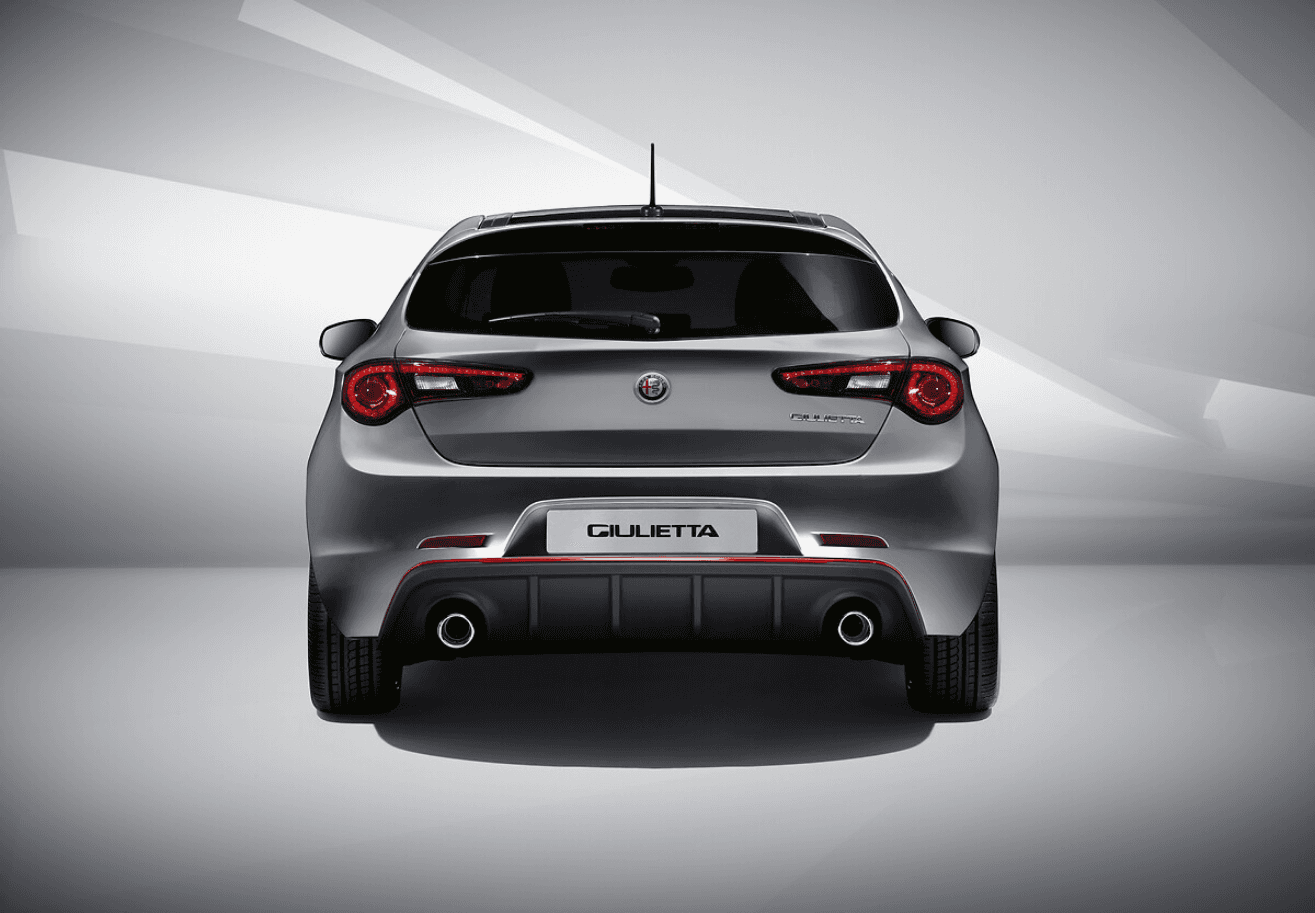
Alfa Romeo Giulietta (2010–2020): when style costs you
The Giulietta is one of the best-looking hatchbacks of the past 15 years. The interior has real character, the driving experience is engaging, and the 1.4 TB MultiAir and 1.75 TBi petrol engines sound properly alive. The appeal is genuine.
The trouble is that the Giulietta has appeared on Honest John's and Which?'s lists of unreliable used cars more than once, and the fault patterns are expensive. The 1.4 MultiAir engine uses an electrohydraulic variable valve timing system that is clever in theory and problematic in practice. When it develops issues — and many do, from around 50,000–70,000 miles — the repair bill runs to £800–£1,500. The dual-mass flywheel on manual gearbox models is another common casualty, typically costing £600–£900 to replace.
Electrical gremlins are widespread. Dashboard warning lights illuminate for no obvious reason, and the infotainment system becomes temperamental with age. Alfa Romeo's dealer network in the UK has shrunk substantially, and independent specialists are not as common as they once were.
A well-maintained example with a full dealer service history and documented repair of known faults is a different proposition. But on the open market, at the £3,000–£7,000 price point where most UK Giuliettas now sit, you're far more likely to encounter one that hasn't been well maintained. The asking price rarely reflects the potential cost of ownership.
Red flags: MultiAir warning on the dashboard, rough idle from cold, hesitation on acceleration, worn clutch pedal feel, or missing service stamps from Alfa Romeo specialists.
What to buy instead: The Volkswagen Golf Mk7 or SEAT Leon Mk3 — both available at similar prices, with far stronger reliability records and a vastly more accessible parts and servicing network.
Land Rover Freelander 2 (2006–2014): off-road capability, on-road bills
The Freelander 2 was a genuinely capable compact SUV when it launched, and it still sells in large numbers on the used market because the prices look attractive — typically £2,500–£6,000 for a decent example. That price reflects reality rather than a bargain.
The 2.2-litre TD4 diesel engine is the most common powertrain and the source of the most headaches. EGR valve failure is extremely common, causing rough running, increased fuel consumption, and eventually engine management warning lights. Left untreated, carbon buildup can lead to inlet manifold issues — a repair costing £500–£1,000 depending on how far it's progressed.
The Freelander 2's Haldex four-wheel drive system requires regular fluid changes that many owners skip. When the Haldex unit fails, repair bills typically start at £800 and can climb past £2,000. The power steering pump on earlier models is also known to fail.
Air conditioning compressor failures, window regulator faults, and suspension wear are all more common than average. Servicing is expensive even at independent garages, and genuine Land Rover parts are pricey. The combination of age, known mechanical weak points, and the cost of putting things right makes the Freelander 2 a high-risk purchase at any price below £8,000.
Red flags: Any EGR or DPF-related codes on a diagnostic check, vibration through the clutch pedal, clunking from the rear axle under load, or rust on the sills and wheel arches.
What to buy instead: A Nissan Qashqai Mk1 or Toyota RAV4 Mk3 — both offer genuine reliability at similar price points without the Freelander's maintenance demands.
Why cheap SUVs are often the most expensive cars to own
A used SUV priced at £4,000 can cost more to run over two years than one bought for £8,000 — because the lower price reflects known reliability issues or high mileage that puts expensive components near their service limits. Always factor in likely repair costs, not just purchase price. If you're on a tight budget, a well-maintained supermini or hatchback is almost always a safer bet than a bargain SUV.
Fiat 500 1.2 (pre-2015): cute but costly to keep running
The original Fiat 500's styling remains genuinely charming, and they're everywhere on the used market at prices that seem very reasonable — typically £2,000–£5,000. For buyers looking at a cheap run-around, the 1.2-litre petrol engine seems sensible: low insurance group, cheap road tax, easy to park.
The problem is that the pre-2015 1.2-litre engine has a well-documented head gasket failure issue, particularly once the car passes 60,000 miles or gets beyond seven or eight years old. Symptoms include coolant loss, white smoke from the exhaust on startup, and oil contamination — that telltale mayonnaise-coloured residue under the oil cap. The repair typically runs £400–£700 at an independent garage, but it's indicative of how these cars age when they haven't been maintained correctly.
Rust is a real concern on pre-2014 examples, particularly around the rear wheel arches and sills. Electrical issues with the central locking, power windows, and dashboard lights are common from around 50,000 miles. The newer TwinAir 0.9-litre two-cylinder engine has its own well-documented problems with timing chain stretch and excessive oil consumption. Neither engine is particularly robust at higher mileages.
Red flags: Any overheating history, coolant that looks brown or murky, oil cap residue, visible rust on the lower bodywork, or a gearbox that feels especially imprecise.
What to buy instead: A Toyota Aygo, Hyundai i10, or Volkswagen Polo Mk5 — all available at comparable prices with significantly better reliability track records.

Renault Laguna Mk3 (2007–2015): the French family car that aged badly
The Laguna Mk3 had a difficult reputation even when it was new, and the years have not been kind. Renault worked to address the reliability issues that plagued the Mk2 generation, but the Mk3 introduced a new set of problems that have only become more pronounced with age.
The electronic parking brake — a feature shared with several Renault models of this era — fails with regularity and is expensive to repair, typically costing £400–£700. The keycard ignition system develops faults over time; replacement keycards are expensive, and the system as a whole is a source of persistent owner complaints. The automatic gearbox option, particularly the EDC dual-clutch unit, has a poor reliability record and should be avoided entirely.
Rust is a significant concern. The Laguna Mk3's bodywork is susceptible to corrosion on the lower panels, door bottoms, and around the windscreen frame. Electrical gremlins affecting the climate control, central locking, and instrument cluster are common from around 80,000 miles. The 1.5 dCi diesel is broadly reliable but requires meticulous servicing; skipped oil changes lead to timing chain and turbo issues that are expensive to rectify.
Red flags: Any keycard faults or immobiliser warnings, electronic parking brake error messages, rust at the base of the A-pillars or rear wheel arches, or a patchy service history on the diesel.
What to buy instead: The Volkswagen Passat B7, Ford Mondeo Mk4, or Toyota Avensis — all offer comparable space and equipment with better long-term reliability and a more accessible parts supply.
Chrysler Delta (2011–2014): avoid it, full stop
The Chrysler Delta was sold in the UK for just a few years before Chrysler withdrew from the European market, and it has one of the worst ownership records of any car in this price bracket. Built on a platform shared with the Lancia Delta, the Delta suffered from severe quality issues from the outset — poor build quality, unreliable electronics, and a dealer network that has effectively ceased to exist in the UK.
Parts availability is now a serious problem. Many components can only be sourced from specialist European suppliers or breakers' yards. The 1.4 MultiAir petrol engine brings its own known issues as described in the Giulietta section above. The 1.6 Multijet diesel is more robust but suffers from the same parts sourcing problems as the rest of the car.
At the prices Chrysler Deltas now command — typically £1,500–£3,500 — the temptation is understandable. Resist it. The risk of buying a car with no accessible dealer support, limited parts supply, and a documented history of electrical and mechanical problems is not worth any asking price.
The verdict: There is genuinely no situation in which we would recommend buying a Chrysler Delta. The parts and support infrastructure simply doesn't exist to keep one on the road cost-effectively.
Chevrolet Aveo (2011–2015): budget pricing, budget quality
The Chevrolet Aveo arrived in the UK as a very cheap new car, and it's now available second-hand for very little money — typically £1,500–£3,500. The low price was achieved through compromises in build quality, materials, and component specification that are all too apparent once the car ages past 50,000 miles.
The 1.2-litre petrol engine is broadly functional but lacks refinement and suffers from timing chain wear at higher mileages. The five-speed manual gearbox has a vague, imprecise action that worsens with age. Interior materials creak and rattle in a way that makes even budget rivals from the same era feel premium by comparison.
Chevrolet withdrew from the UK market at the end of 2015, which creates the same parts availability concerns as the Chrysler Delta, albeit to a lesser degree — the Aveo shared underpinnings with Vauxhall and Opel models, so some mechanical parts can be sourced through Vauxhall's network. Body panels, trim pieces, and electrical components are increasingly difficult to find.
Red flags: Timing chain rattle on startup, corrosion on the lower bodywork, worn or cracked interior plastics, and hesitation on acceleration from the 1.2 engine.
What to buy instead: A Vauxhall Corsa Mk4 or Hyundai i20 Mk1 — both available at similar prices, with far better parts availability and stronger reliability records.
The parts availability test
Before buying any used car from a brand that has withdrawn from the UK market, check parts availability for common wear items: brake discs and pads, timing belt or chain kits, water pumps, and front suspension components. If you can't find genuine or quality aftermarket parts at a reasonable price within five minutes of searching, that's a strong signal about what ownership will be like. This applies especially to Chrysler, Chevrolet, and some Ssangyong models.
Ssangyong Tivoli Mk1 (2015–2021): competent but risky long-term
The Ssangyong Tivoli isn't a bad car in the way some of the others on this list are. It was reasonably well built for its price point when new, and it offered decent equipment levels for the money. The problem in 2026 is a combination of factors that make used examples a genuinely risky buy.
Ssangyong's UK presence has diminished dramatically following the brand's financial difficulties and the collapse of its parent company in South Korea. While some UK dealerships continue to operate, the support network is a shadow of what it was, and the long-term availability of parts is uncertain.
The 1.6-litre petrol and diesel engines are workmanlike but unremarkable. The diesel has been reported to suffer from EGR valve issues and DPF problems similar to those affecting other compact SUVs of this era. The 6-speed automatic gearbox has a mixed reliability record, with some owners reporting hesitation and rough shifts as mileage builds.
Residual values have dropped significantly, which means used Tivolos can look attractively priced. That depreciation reflects the market's assessment of long-term parts and support availability — and the market is not wrong.
Red flags: DPF or EGR warning lights on the diesel, hesitation or rough shifting from the automatic gearbox, and any sign of deferred maintenance given the reduced dealer network.
What to buy instead: A Nissan Juke Mk1, Hyundai Tucson Mk3, or Kia Sportage Mk4 — all offer better long-term parts support and stronger residual values.
What to buy instead: the reliable alternatives
Avoiding the wrong cars is only half the battle. At every price point where the cars above sit, there are better alternatives with stronger reliability records and more accessible servicing networks.
For used hatchbacks under £10,000, the Volkswagen Golf Mk7, Ford Focus Mk3, and SEAT Leon Mk3 consistently outperform the Giulietta and Laguna on long-term reliability data. The Golf in particular has one of the most accessible servicing networks in the UK, with independent VAG specialists in virtually every town.
For compact SUV buyers, the Nissan Qashqai Mk1 and Mk2, the Toyota RAV4 Mk3, and the Hyundai Tucson Mk2 all offer genuine reliability advantages over the Freelander 2 and Tivoli. The Qashqai has an enormous UK support network and a deep pool of used examples to choose from.
Budget buyers looking at small cars under £4,000 should focus on the Toyota Aygo, Hyundai i10, and Vauxhall Corsa Mk4 in preference to the Fiat 500 1.2 and Chevrolet Aveo. All three are cheaper to insure, easier to service, and have far better parts availability.
What to Remember
Here are the most important points to remember.
Alfa Romeo Giulietta
Looks and drives brilliantly but carries expensive MultiAir engine and electrical fault risks that outweigh the appeal for most buyers.
Land Rover Freelander 2
EGR, Haldex, and power steering issues make it a risky buy under £8,000. High-cost-to-own even by SUV standards.
Fiat 500 1.2 (pre-2015)
Susceptible to head gasket failure and rust. A low asking price rarely compensates for likely repair costs.
Renault Laguna Mk3
Electronic parking brake failures, keycard issues, and corrosion throughout. Avoid the EDC automatic entirely.
Chrysler Delta
No accessible UK dealer support, severely limited parts availability. There is no price at which we'd recommend one.
Chevrolet Aveo
Budget build quality and limited parts availability following Chevrolet's UK withdrawal in 2015.
Ssangyong Tivoli Mk1
Mechanically adequate but faces real long-term uncertainty around parts and dealer support in the UK.
How to protect yourself when buying any used car
Even with a reliable model, due diligence matters. Before buying any used car in the UK, run a full history check — this will flag outstanding finance, write-off status, stolen records, and mileage discrepancies. It's a small cost that can save you thousands.
At viewing, always ask for the full service history and check that the stamps or digital records match the claimed mileage. Take the car for a thorough test drive that includes cold starting, motorway speeds, and a hard stop from 40 mph to check the brakes. If you're not confident assessing a car's condition yourself, an independent pre-purchase inspection from a qualified mechanic typically costs £100–£200 and is almost always worth the investment.
Be wary of any seller who discourages a test drive, rushes the viewing, or can't produce service records. These are consistent red flags regardless of the make or model.