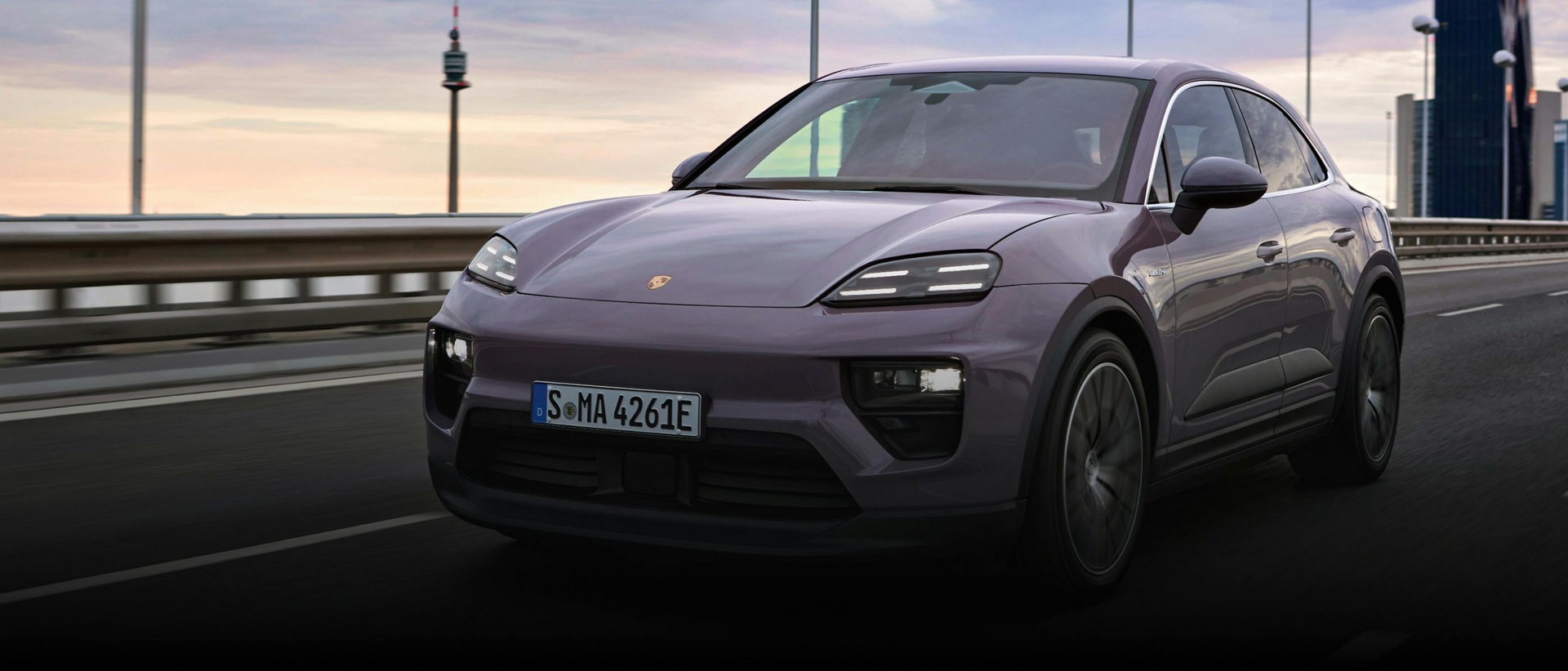
Best Electric SUV for Towing UKTowing
Which electric SUVs can genuinely tow a caravan or trailer — and what range to expect when they do.
Towing is where electric SUVs face their most demanding test. Dragging a caravan or trailer dramatically increases aerodynamic drag and total vehicle weight — and that combination punishes electric range severely. Expect a 40–50% reduction in usable range when towing at motorway speeds. A car delivering 280 miles solo might manage 160–180 miles with a 1,500kg caravan behind it.
That reality does not make electric towing impossible. It makes choosing the right car, planning charging stops carefully, and understanding the genuine numbers essential. This guide covers the electric SUVs with the towing credentials to do the job — and gives you an honest picture of what range to expect when they are doing it.
For more on running costs when towing regularly, see whether it is cheaper to run an electric car than a petrol one.
What to Remember
Here are the most important points to remember.
Best overall for towing
BMW iX xDrive50 — 2,500kg braked towing capacity, 200kW charging, exceptional stability. The best all-round electric tow car.
Best for family caravanning
Kia EV9 — 2,500kg capacity, 800V charging, seven seats, and a 99.8kWh battery to absorb the range penalty.
Best for charging network access
Tesla Model X — 2,268kg capacity and Supercharger network access. Best charging infrastructure for long towing journeys.
Best for lighter towing
Volkswagen ID.4 — rated to 1,000–1,200kg. Suitable for smaller trailers, caravans under 1,000kg, and boat trailers.
Critical range warning
Range drops 40–50% when towing at motorway speeds. Always plan charging stops at shorter intervals than solo driving.
The towing range problem: what to expect
Before choosing an electric tow car, the range penalty deserves honest attention. Towing increases aerodynamic drag and total mass substantially — both of which reduce electric efficiency. Real-world testing consistently shows:
- Light trailer (500–750kg): range reduction of approximately 25–35%
- Mid-weight caravan (1,000–1,500kg): range reduction of approximately 35–45%
- Heavy caravan (1,500–2,000kg): range reduction of approximately 45–55%
For a car delivering 280 miles solo, expect around 160–190 miles with a 1,500kg caravan at 60mph. At higher speeds, that figure falls further.
The practical implication: any EV used for serious caravanning needs a large battery — 70kWh minimum, 90kWh+ preferable — and access to rapid charging at frequent intervals. Planning charging stops every 120–150 miles when towing is prudent rather than pessimistic.
Speed also matters more when towing electrically than in a diesel. At 60mph the range penalty is significantly lower than at 70mph. Many experienced electric caravanners cruise at 55–60mph on motorways when towing to extend range between stops.
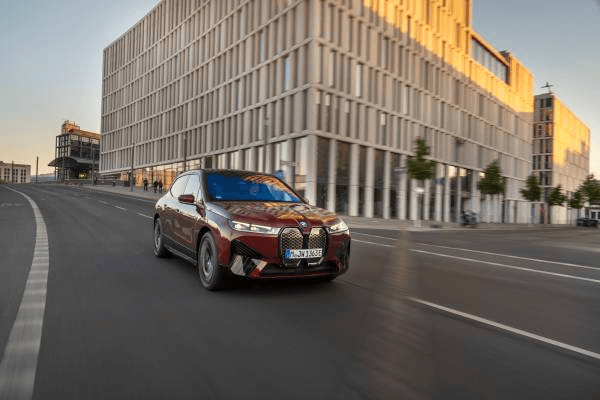
BMW iX xDrive50 — the best electric tow car
The BMW iX xDrive50 tops this list for towing for three reasons: a maximum braked towing capacity of 2,500kg, genuine real-world range of 280–310 miles solo (meaning 170–200 miles when towing a typical caravan), and stability control systems that manage the dynamics of a towed load exceptionally well.
BMW's Trailer Stability Control comes as standard on the iX and works in concert with the adaptive air suspension to maintain composure when a trailer induces instability at speed. In practice, the iX feels remarkably planted when towing — more so than some petrol SUVs of equivalent capacity.
DC charging at 200kW means charging stops when towing are reasonably short — 10–80% in approximately 35 minutes. The iX's air suspension also allows the car to self-level when a heavy caravan is hitched, maintaining the correct geometry for safe towing.
Used 2022 examples from around £19,000–24,000 represent extraordinary value for a car with these credentials. Insurance will be high, but for serious towers, the iX is the most capable all-round electric tow car currently available.
Kia EV9 — the caravan family's choice
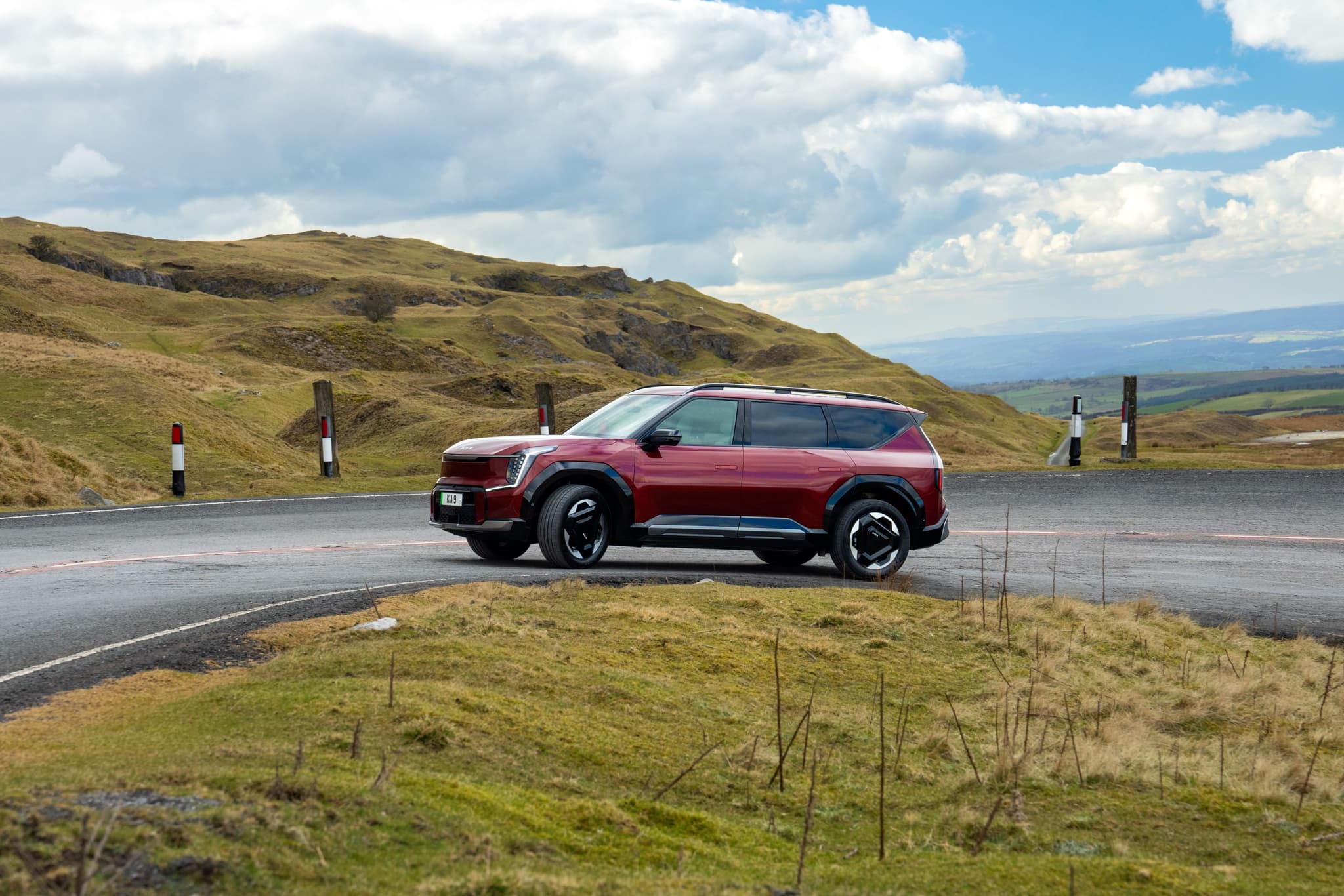
The EV9 brings the same 2,500kg maximum braked towing capacity as the iX but adds seven seats, an 800V charging architecture, and the largest battery in this group at 99.8kWh. For families who caravans and need to carry children as well as tow, it is the only EV that genuinely does both.
The 800V charging means that despite the large battery, a 10–80% charge takes approximately 24 minutes at a compatible charger. When towing a typical 1,400kg family caravan, real-world range between stops of 140–170 miles is achievable at 60mph — sensible for a caravanning trip.
The EV9 also comes with Kia's Trailer Stability Assist as standard, and the low centre of gravity — a benefit of EV platform architecture — contributes to composed towing behaviour.
Used 2024 examples start from around £44,700. Not cheap, but for buyers who genuinely need the combination of large towing capacity, rapid charging, and seven seats, there is no more capable alternative in the current EV market.
Tesla Model X — the charging network option
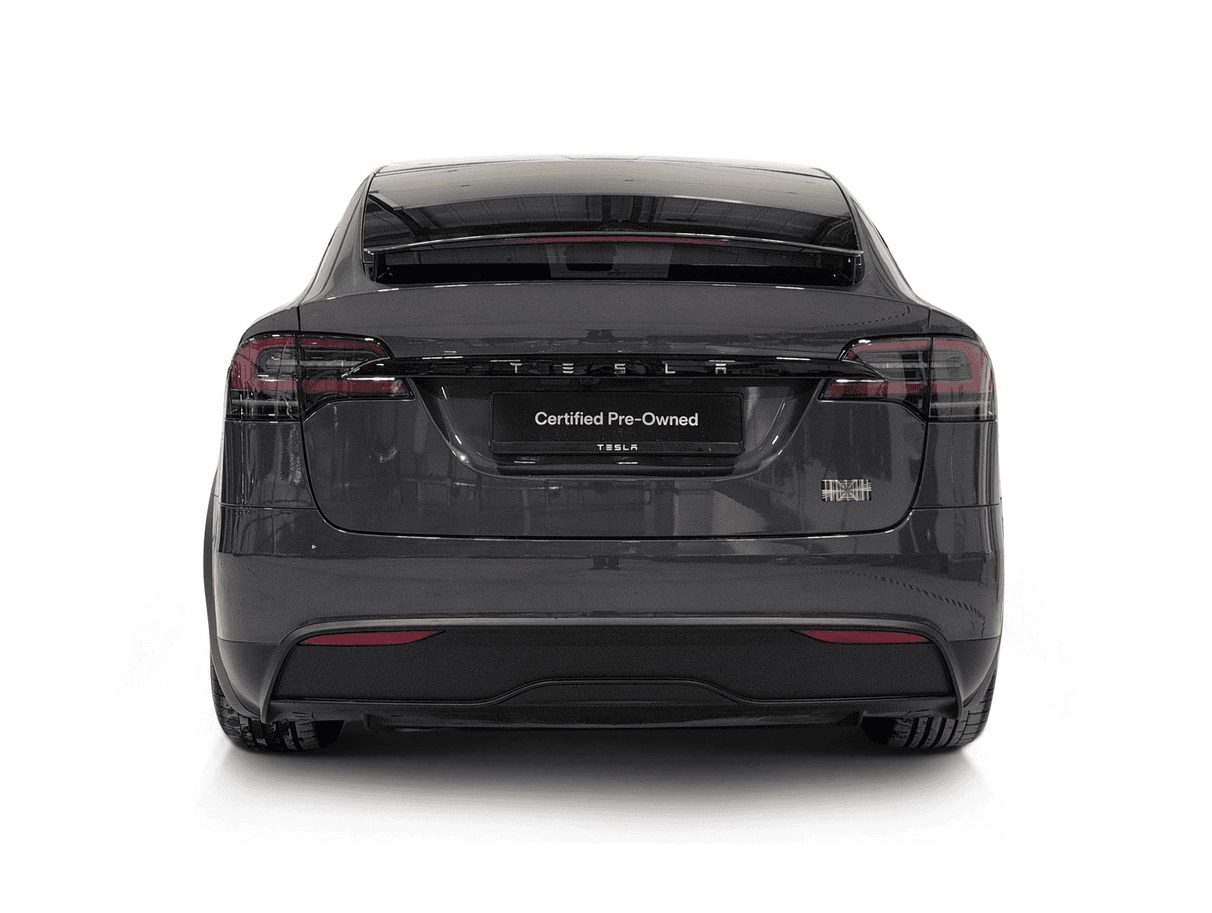
The Model X has a maximum braked towing capacity of 2,268kg and — crucially for long towing journeys — access to the Supercharger network. For caravanners who regularly cover long distances, the reliability and coverage of Superchargers makes a meaningful practical difference over rivals dependent on the public network.
The older 75D variants available from around £16,000 used have a smaller battery than current models and should be approached with caution for heavy towing — real-world towing range can be genuinely limiting. The newer 2022–24 Model X with its larger battery is considerably more capable but costs substantially more.
Falcon Wing doors — the Model X's distinctive feature — are a genuine advantage for loading rear passengers when a caravan is hitched, as they open vertically rather than sweeping outward.
Volkswagen ID.4 — for lighter towing duties
The ID.4 is approved for braked towing of 1,000–1,200kg depending on variant — sufficient for a small touring caravan, a boat trailer, or a horse box with one animal. For buyers whose towing needs fall into this lighter category, the ID.4's combination of strong range, good used availability, and lower running costs makes it a practical and cost-effective choice.
For serious caravanning above 1,200kg, the ID.4's towing limit becomes a constraint. But many UK towers — particularly those with small caravans, motorcycle trailers, or light horseboxes — never exceed that weight.
The ID.4's 135kW DC charging is slower than the Korean or premium alternatives, so charge stop planning needs to allow for 40–50-minute stops when towing.
For context on how all these models compare outside of their towing duties, see the best electric SUVs in the UK 2026 guide.
Comparison
| Spec | BMW iX xDrive50(2022) | Kia EV9(2024) | Tesla Model X(2022) | Volkswagen ID.4(2024) |
|---|---|---|---|---|
| Price | £18,999 | £44,700 | £15,785 | £10,989 |
| Used from | ~£19,000 | ~£44,700 | ~£15,785 | ~£11,000 |
| Solo WLTP range | 380 miles | 354 miles | 348 miles (2022) | 339 miles |
| Towing capacity | 2,500kg braked | 2,500kg braked | 2,268kg braked | 1,000–1,200kg |
| Max charge speed | 200kW | 250kW | 250kW | 135kW |
| Est. towing range | ~170–200 miles | ~160–185 miles | ~160–190 miles | ~180–210 miles |
| Pros |
|
|
|
|
| Cons |
|
|
|
|
Frequently Asked Questions
Browse electric tow cars on Bobi
Explore further
- Compare all electric SUV options: best electric SUVs in the UK 2026
- Understand how range holds up on long journeys: best electric SUVs for long distance driving
- Work out your total running costs: the true cost of owning an electric SUV vs a petrol one
Ready to Start your Car Journey with Bobi
Create an account today or explore our current offers to find the perfect model for your needs.
* Price correct at time of article.
** Included equipment, options and price may differ as all model years shown, please check carefully.